
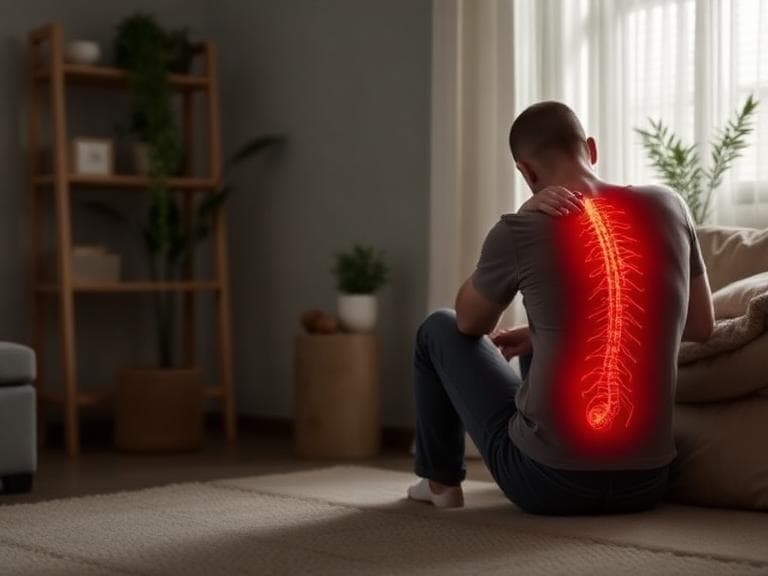
Daily pain management is not about pretending pain is harmless or forcing through every flare. It is about learning the pattern, staying active within safe limits, protecting sleep and choosing small steps you can repeat. Medical review still matters when symptoms change.
Understand the source and the current plan
Ask what is known, what remains uncertain and which warning signs apply to you. Keep a short list of diagnoses, medicines and treatments tried. If the pain changes, the old explanation may need review rather than simply adding another self-care tool.
Read about pain assessment at Solis for help reviewing your care plan.
Use pacing instead of the boom-and-bust cycle
Pacing means breaking activity into manageable blocks and using planned pauses before pain forces a long stop. Choose a baseline you can repeat on both better and harder days, then increase gradually. Rest is part of the plan, but long inactivity can make returning to movement harder.
Stay physically active in a way you can repeat
Movement supports general health and can be part of chronic-pain care. Start with an amount suited to your ability and condition. Walking, pool activity, strength work or supervised exercise may fit different people. A rehabilitation professional can help when weakness, balance or fear makes it hard to begin safely.
Change positions instead of chasing perfect posture
There is no single perfect posture for every body. Long periods in one position often matter more. Vary sitting and standing, adjust work height, bring tasks closer, and take short movement breaks during desk work and driving.
Protect sleep
Pain can disturb sleep, and poor sleep can make pain and fatigue harder to manage. Keep regular wake and sleep times, reduce late caffeine, use a calm wind-down routine and discuss snoring, restless legs or severe insomnia with a clinician. Do not increase sedating medicine on your own.
Treat stress as part of pain care
Stress does not cause every pain problem and does not make pain imaginary. It can change muscle tension, sleep, attention and coping. Breathing practice, counselling, CBT, ACT skills and support from other people may help reduce the amount of life pain controls.
Use heat and cold safely
Heat may feel useful for stiffness or muscle guarding. Cold may help after some injuries or flare-ups. Protect the skin, use short periods and stop if pain, colour or sensation worsens. Avoid heat or cold over numb skin unless a clinician has given safe instructions.
Track patterns without making pain your full-time job
A brief record of sleep, activity, medicine, symptoms and function can reveal patterns. Track one or two weeks, then review it. Focus on useful questions such as walking time or sleep quality rather than recording every sensation forever.
Build a team and realistic goals
A care team may include medical, rehabilitation, psychological and manual-care providers. Each should have a clear role. Choose goals that matter, such as preparing a meal, returning to a hobby or working a safer shift, and break them into steps that can be reviewed.
Make a simple flare plan
- Write down which symptom changes are expected and which need medical help
- Choose one or two activities you can reduce without stopping all movement
- Keep medicine instructions and clinic contact details in one place
- Plan how to restart normal activity in small steps as the flare settles
- Ask for review when the flare is new, severe, or not following the usual pattern
Plan for Edmonton winter
Cold, snow, and icy sidewalks can change movement and increase the work of daily tasks. Use footwear with grip, leave more time, break up shovelling, and use an indoor walking option when footing is poor. If a cane or walker is part of your plan, ask a rehabilitation professional about a safe winter tip and fit.
Know when self-management is not enough
Contact a clinician for a major change, new numbness or weakness, medicine side effects, fever, unexplained weight loss or a flare that is not settling as expected. Seek urgent help for loss of bladder or bowel control, chest pain, trouble breathing, major trauma or sudden severe symptoms.
Quick answers
Can exercise make chronic pain worse?
Activity can cause a temporary flare, especially when increased too quickly. A new or severe symptom needs review. Use a gradual plan suited to the diagnosis and current ability.
Should I rest during a flare?
A short reduction may help, but complete rest for long periods can make return to activity harder. Adjust, pace and resume the agreed plan as the flare settles.
Why does pain affect sleep?
Pain can interrupt sleep, while poor sleep can increase fatigue and sensitivity. Treat both parts and ask about a sleep assessment when problems persist.
Can chronic pain improve without surgery?
Many plans are non-surgical, but the right option depends on the cause and warning signs. Review progress and seek another opinion when the plan is not helping.