
Contact Us
Call the clinic, email, or send a note.
Send Us a Message
Cortisone Injection in Edmonton
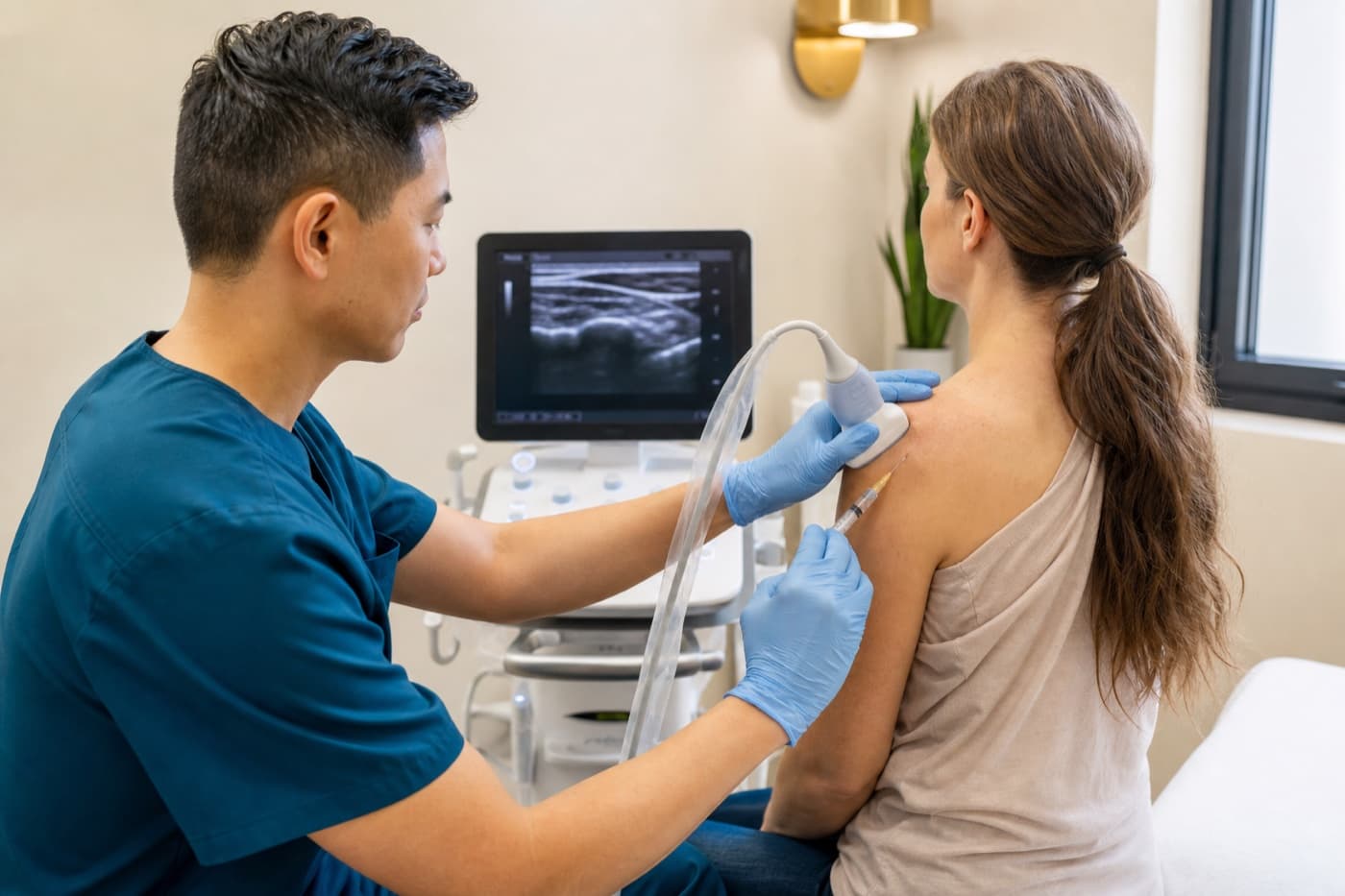
Cortisone injection treatment delivers steroid medicine to an inflamed joint or soft tissue. The shot may ease pain from arthritis, bursitis or tendinitis, with ultrasound guidance used at Solis.
Why Choose Solis for Cortisone Injections?
Integrated Care
Multiple treatments in one place for pain and wellness support.
Advanced Treatments
Modern therapies designed to support comfort, mobility and recovery.
Patient Focused
Personalized care focused on long term relief and well being.
Cortisone injection: what the shot does
Cortisone shots (steroid injections) deliver a dose of medication directly to a problem spot in your body. The cortisone calms your immune system's response in that location. This reduces pain and inflammation. They can help you manage symptoms or conditions that make it hard to participate in all of your day-to-day activities. By reducing the pain, the hope is to get you back moving and exercising.
Please always eat a light meal and hydrate well before any injection therapy. For your safety, we do not do injections if you have an active infection. We encourage you to make your follow up appointment before you leave the clinic.
Cortisone steroid injections: what they treat
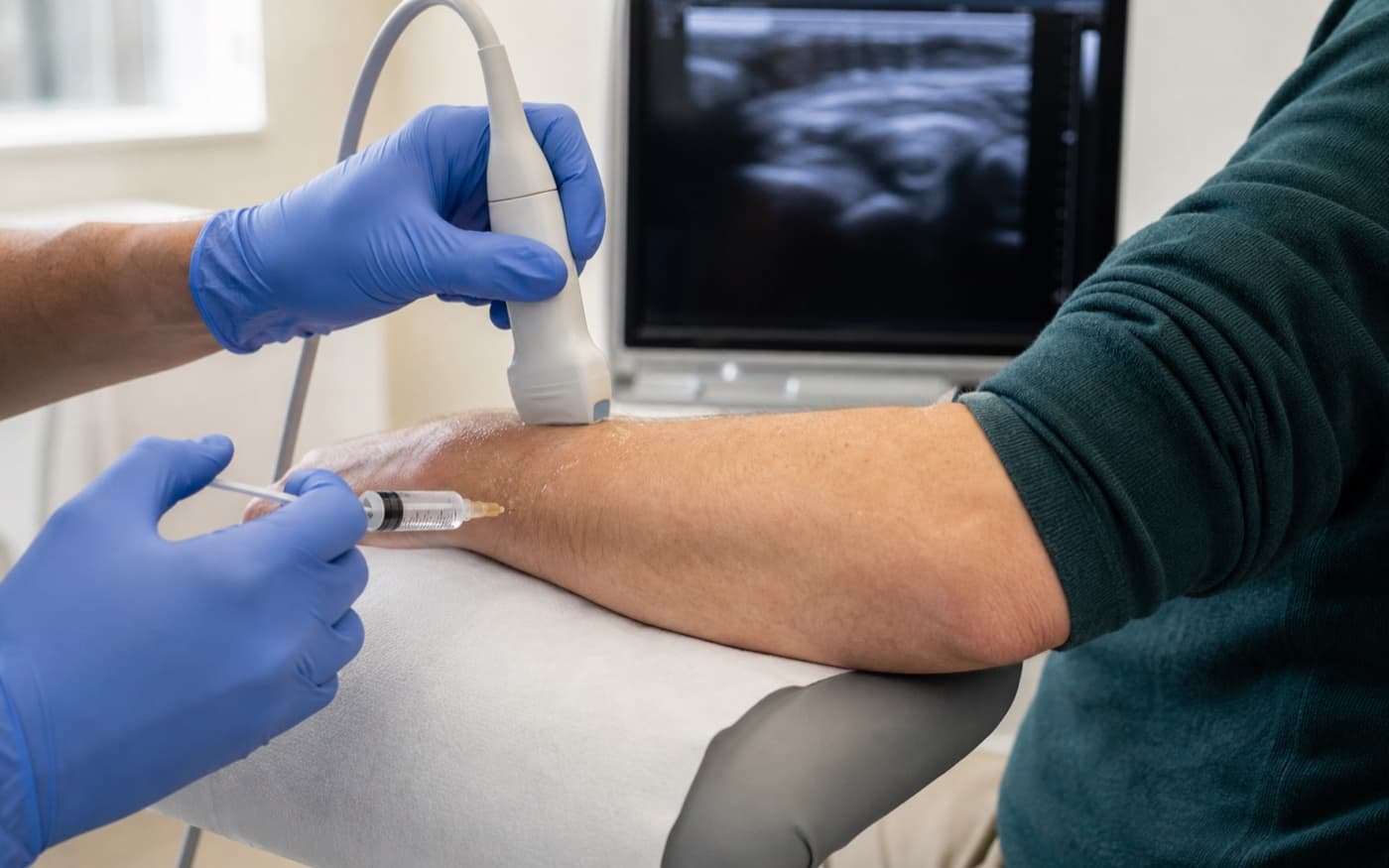
Cortisone injections are used in the following conditions. At Solis, we have ultrasound to help guide injections.
- Arthritis
- Tendinitis
- Tendinopathy
- Bursitis
- Carpal tunnel syndrome
- Tennis elbow
- Trigger finger and trigger thumb
When should you not get a steroid shot?
You should not receive steroid injections if you have an infection. Corticosteroids have a short-term immunosuppressant effect and can make it harder for your body to fight an infection and heal itself.
It takes 10 to 14 days to see the full benefit of a cortisone injection. Cortisone injections should last three months or more.
Always follow up with your doctor after the injection. Call right away if you are experiencing any signs of worsening pain or infection.
Cortisone compared with prolotherapy
Cortisone suppresses inflammation to calm a painful area. Prolotherapy does the opposite: it causes a small, controlled amount of inflammation so the body repairs weakened tissue. Which one fits depends on whether the problem is an inflamed structure or a weakened one, which is what the assessment sorts out.
Safety and when to get help
The most common side effects of cortisone (steroid) shots include pain at the injection site, a temporary increase in swelling, bruising, temporarily increased blood sugar levels (people with diabetes should check their blood sugar level more often for about five days after a cortisone shot), discoloration or redness on your skin at the injection site, and skin lightening or looking paler near the injection site.
It is rare for steroid injections to cause severe side effects, but it is possible to experience infections at the injection site, high blood pressure (hypertension), and fluid retention with increased swelling.
People who receive many rounds of steroid injections may have an increased osteoporosis risk. Patients with bleeding disorders or on anticoagulants (blood thinners) have increased risk of bleeding.
Visit the West Edmonton clinic
The clinic is on 118 Avenue in West Edmonton. People visit from Edmonton and the surrounding areas. Tell the clinic if driving, stairs or sitting makes your pain worse. That can help staff plan a safer visit and give you useful arrival details.
Frequently asked questions
How long does a cortisone injection take to work?
It takes 10 to 14 days to see the full benefit of a cortisone injection.
How long does a cortisone injection last?
Cortisone injections should last three months or more. Always follow up with your doctor after the injection.
Are cortisone injections guided by ultrasound?
At Solis, we have ultrasound to help guide injections.
Who should not have a cortisone injection?
You should not receive steroid injections if you have an infection. Corticosteroids have a short-term immunosuppressant effect and can make it harder for your body to fight an infection and heal itself.
Do cortisone shots raise blood sugar?
Blood sugar can rise temporarily. People with diabetes should check their blood sugar level more often for about five days after a cortisone shot.