
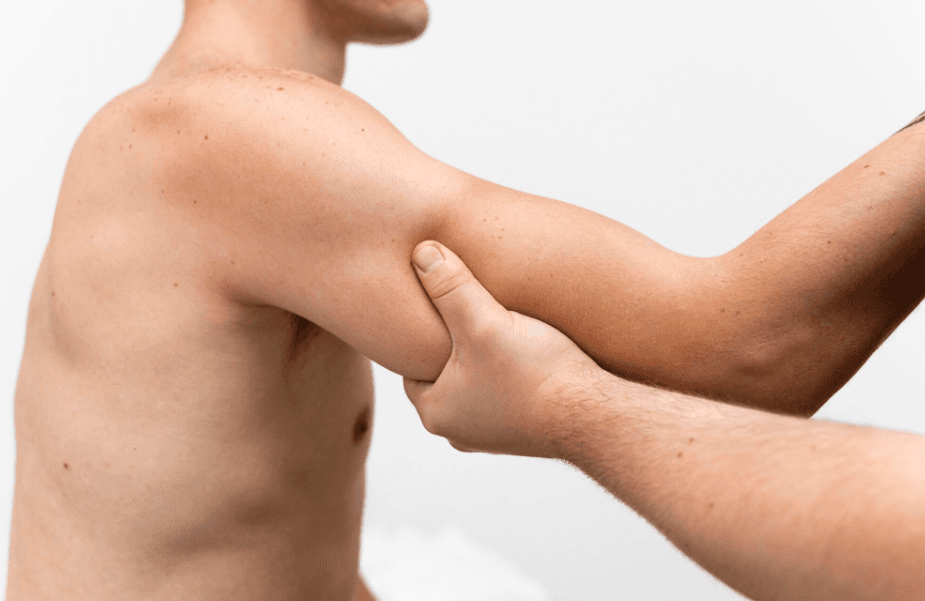
Muscles, tendons, ligaments, and fascia help the body move. Pain or stiffness can make daily movement harder. Soft tissue manipulation is one hands-on option that may help some people feel more comfortable. The evidence and results depend on the condition.
At Solis Medical Clinic, a clinician can assess your symptoms and discuss whether soft tissue care belongs in your treatment plan. Pain can have more than one cause.
What Is Soft Tissue Manipulation?
Soft Tissue Manipulation is a hands-on therapy technique focused on evaluating and treating muscles, connective tissues, fascia, tendons, and ligaments throughout the body.
The goal is to:
- Reduce muscle tension
- Support comfortable movement
- Work on areas that feel tight
- Decrease pain
- Improve flexibility
- Help you set movement goals
A clinician can check how you move and whether hands-on care may be useful. The response varies from person to person.
Why Soft Tissue Health Matters
Many people focus on bones and joints when addressing pain, but soft tissues are equally important.
Healthy soft tissues allow the body to:
- Move freely
- Maintain proper posture
- Absorb physical stress
- Support athletic performance
- Prevent excessive joint strain
When soft tissues become dysfunctional, everyday activities such as walking, sitting, exercising, or lifting can become uncomfortable.
This is where Soft Tissue Manipulation can provide significant benefits by restoring balance and improving overall body function.
Common Causes of Soft Tissue Restrictions
Soft tissue dysfunction can develop gradually or suddenly.
Some of the most common causes include:
Poor Posture
Long hours spent sitting can place continuous stress on muscles and connective tissues.
Repetitive Movements
Certain jobs and activities may overload specific muscle groups over time.
Sports Injuries
Athletes frequently experience tissue tightness, strains, and movement restrictions.
Physical Stress
Daily physical demands can contribute to muscle tension and reduced flexibility.
Previous Injuries
Old injuries often leave behind compensation patterns that affect tissue function.
Professional Soft Tissue Manipulation can help address these issues before they become more severe.
How Soft Tissue Manipulation Works
At Solis Medical Clinic, treatment begins with a detailed assessment to identify the tissues contributing to pain or dysfunction.
Practitioners evaluate:
- Movement patterns
- Posture
- Muscle tension
- Tissue quality
- Areas of restriction
- Joint mobility
Based on these findings, a customized Soft Tissue Manipulation treatment plan is created.
The techniques used are designed to improve tissue mobility while encouraging the body’s natural healing processes.
Conditions That May Benefit from Soft Tissue Manipulation
Many patients seek treatment because soft tissue dysfunction is contributing to their symptoms.
Common conditions include:
Chronic Back Pain
Muscle tightness and fascial restrictions often contribute to ongoing back discomfort.
Neck Pain and Stiffness
Poor posture and workplace stress frequently affect the muscles of the neck and shoulders.
Shoulder Dysfunction
Restricted tissues can limit shoulder mobility and affect daily activities.
Sports-Related Injuries
Athletes often benefit from Soft Tissue Manipulation to support recovery and performance.
Hip and Leg Tension
Muscle imbalances can influence movement patterns and overall comfort.
Headaches Related to Muscle Tension
Tight muscles around the neck and shoulders may contribute to recurring headaches.
Benefits of Soft Tissue Manipulation
One reason many Edmonton residents choose Soft Tissue Manipulation is because it offers a natural, non-invasive approach to treatment.
Potential benefits include:
- Reduced muscle tension
- Improved circulation
- Better flexibility
- Enhanced mobility
- Improved posture
- Faster recovery support
- Reduced discomfort
- Better physical performance
- Improved movement efficiency
- Increased overall wellness
Some people may feel more comfortable after a visit. Ask what changes to track and when to check in again.
Why Choose Solis Medical Clinic?
Selecting an experienced provider can make a significant difference in treatment outcomes.
At Solis Medical Clinic, every patient receives individualized care designed around their unique goals and concerns.
Patients choose Solis because of:
- Comprehensive assessments
- Personalized treatment plans
- Skilled practitioners
- Whole-body treatment philosophy
- Comfortable clinical environment
- Set goals and review progress
The clinic’s patient-centered approach ensures that Soft Tissue Manipulation is tailored to support optimal recovery and wellness.
Soft Tissue Manipulation and Athletic Performance
Athletes place significant demands on their muscles and connective tissues.
Even minor restrictions can affect:
- Speed
- Strength
- Flexibility
- Endurance
- Recovery time
Athletes can ask whether hands-on care fits alongside exercise, rest, and injury assessment.
Whether you’re a recreational athlete or a competitive performer, healthy soft tissues are essential for consistent performance.
How Soft Tissue Manipulation Supports Recovery
Recovery is about more than simply waiting for symptoms to improve.
Effective recovery often requires addressing the factors that contribute to tissue dysfunction.
Soft Tissue Manipulation may support recovery by:
- Improving blood flow
- Reducing muscle guarding
- Enhancing tissue mobility
- Encouraging healthy movement
- Supporting rehabilitation efforts
This comprehensive approach can help patients return to their daily activities with greater confidence and comfort.
What Happens During a Treatment Session?
Many first-time patients wonder what to expect.
A typical visit may include:
- Health history review
- Physical assessment
- Movement evaluation
- Identification of restricted tissues
- Customized Soft Tissue Manipulation treatment
- Ongoing progress monitoring
Every session is adapted to the patient’s condition, goals, and response to treatment.
Is Soft Tissue Manipulation Right for You?
You may benefit from Soft Tissue Manipulation if you experience:
- Chronic muscle tension
- Recurring pain
- Limited mobility
- Sports injuries
- Postural dysfunction
- Workplace-related strain
- Reduced flexibility
- Persistent stiffness
If pain or limited movement persists, an assessment can help you choose a next step.
Quick answers
What is Soft Tissue Manipulation?
Soft Tissue Manipulation is a hands-on treatment focused on improving the health and function of muscles, fascia, tendons, and connective tissues.
Does Soft Tissue Manipulation hurt?
Techniques should be adjusted to your comfort. Tell the clinician if a technique hurts.
Can Soft Tissue Manipulation help chronic pain?
Yes. Many patients seek Soft Tissue Manipulation to address muscle tension, movement restrictions, and chronic discomfort.
How many treatments will I need?
The number of sessions depends on your condition, treatment goals, and how your body responds to care.
Can athletes benefit from Soft Tissue Manipulation?
Absolutely. Athletes often use Soft Tissue Manipulation to support recovery, mobility, and performance.
Can Soft Tissue Manipulation improve flexibility?
Yes. One of the primary goals of treatment is improving tissue mobility and overall flexibility.
Is Soft Tissue Manipulation suitable for office workers?
People who sit for long periods can ask about movement breaks, exercise, and hands-on care if they have persistent discomfort.
Why choose Solis Medical Clinic in Edmonton?
Solis can assess your symptoms and discuss whether soft tissue care fits your goals.