
Contact Us
Call the clinic, email, or send a note.
Send Us a Message
Deep Tissue Massage in Edmonton
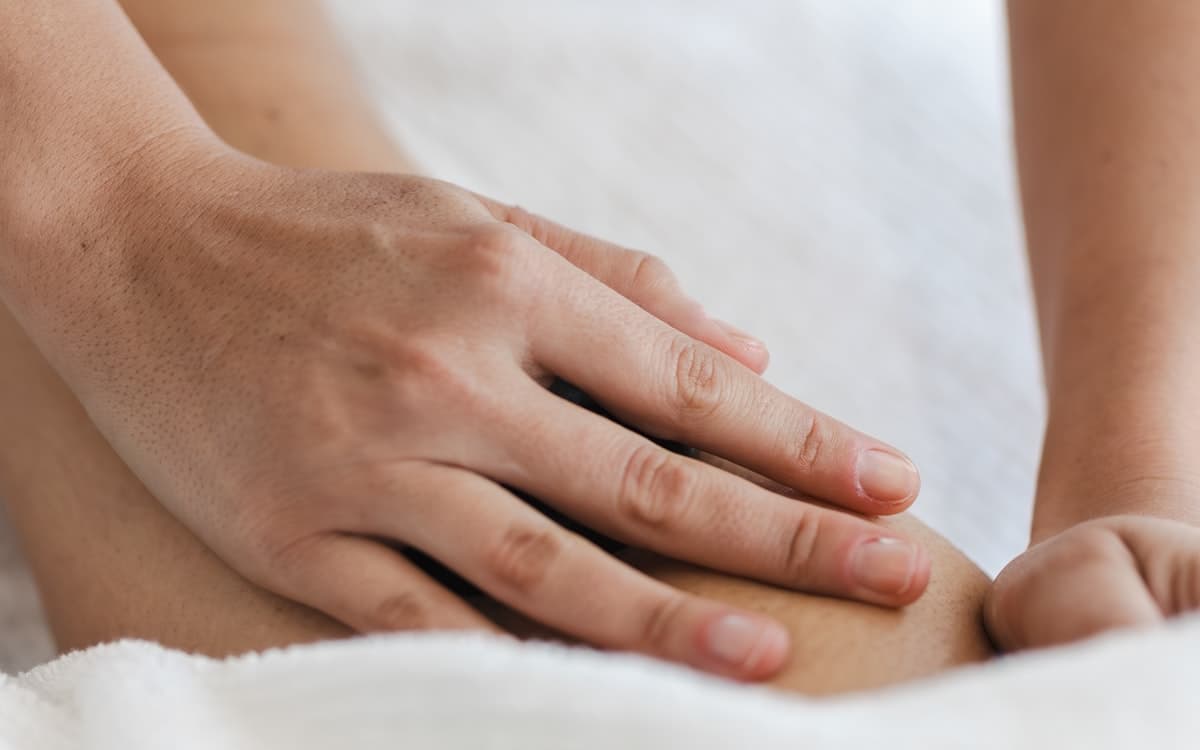
Deep tissue massage in Edmonton uses slow, firm pressure to reach the muscle layers under the surface. It is built for chronic tension and knots that keep returning, not for a gentle unwind. Pressure always stays inside what you can tolerate without bracing.
Why Choose Solis for Deep Tissue Massage?
Care That Fits You
The first visit reviews your comfort, health history and reason for booking.
Pressure With Feedback
You can speak up about pressure, position and comfort throughout hands-on care.
Connected Care Options
Ask how massage, movement support and medical assessment may fit together.
West Edmonton Clinic
Visit Solis on 118 Avenue, with patients coming from Edmonton and nearby communities.
What makes it deep tissue
Not pain. Speed and depth. The strokes slow right down so the tissue has time to give, and the therapist works through the surface layer to reach the muscle underneath it. A lighter massage glides over that layer instead.
This is why a deep tissue session covers less ground than a full-body relaxation massage. An hour spent properly on a locked-up neck and shoulder girdle does more than an hour spread across your whole body.
What deep tissue is good for
- Chronic neck and shoulder tension
- Knots that come back weeks after every massage
- Postural strain from years at a desk
- Heavy training loads that stopped recovering
- Old injury areas that stayed tight
- Low back tightness with no red flags
How much pressure is right
There is a useful line between productive discomfort and pain. Productive discomfort is intense, you can still breathe through it, and it eases as the muscle releases. Pain makes you hold your breath, clench or brace. Once you brace, the muscle tightens and the treatment stops working.
So tell your therapist when it crosses that line. More pressure is not more progress, and a therapist who ignores your feedback is not doing deep tissue work properly. Tell them about blood thinners, easy bruising, clotting conditions or recent surgery at booking, and skip firm work over a fresh unassessed injury, an infection or new unexplained swelling.
Deep tissue or therapeutic massage
They overlap a lot. Deep tissue describes the pressure. Therapeutic describes the approach. A therapeutic massage may use deep tissue technique on one area and lighter work everywhere else.
If you already know exactly where the problem is and that light pressure has not touched it, book deep tissue. If you are not sure what is causing the pain, book a therapeutic massage and let the assessment decide.
Cost, coverage and how often to come
Ask for the current fee when you book, since it follows the visit length. Alberta Health Care does not cover massage therapy. Extended health plans usually cover part of it, within your yearly limit and depending on the treating therapist's designation.
For a chronic pattern, every two to three weeks at the start is common, spacing out as the release holds longer. Expect the possibility of mild next-day soreness, similar to the day after a hard workout. It should fade within about 48 hours.
Visit the West Edmonton clinic
The West Edmonton clinic is on 118 Avenue. Patients come from Edmonton and the surrounding areas. Tell the clinic if snow clearing, desk work, driving or seasonal activity has changed your symptoms. Those details can help shape a useful first visit.
Frequently asked questions
What is the difference between a massage and a deep tissue massage?
A general massage works the surface layers at a comfortable pressure across the whole body. Deep tissue uses slower, firmer strokes to reach the muscle underneath, and concentrates on fewer areas for longer.
What is a deep tissue massage good for?
Chronic muscle tension, recurring knots, postural strain from desk work, heavy training loads and old injury areas that stayed tight. It is less suited to general stress relief, where a relaxation massage fits better.
Is deep tissue massage supposed to hurt?
No. It should reach an intense but manageable discomfort you can breathe through. If you are clenching or holding your breath, the pressure is too much and your therapist needs to know so they can back off.
Why am I sore after a deep tissue massage?
Mild soreness for a day or two is common and behaves like post-workout ache. Drink normally, keep moving gently and it usually settles within 48 hours. Sharp pain, numbness, weakness or heavy bruising is not normal and should be reported.
Is deep tissue massage covered by insurance?
Alberta Health Care does not cover it. Most extended health plans cover part of the fee based on your yearly limit and the treating therapist's designation. Confirm with your insurer, then ask the clinic about direct billing.