
Contact Us
Call the clinic, email, or send a note.
Send Us a Message
Private Iron Infusion in Edmonton
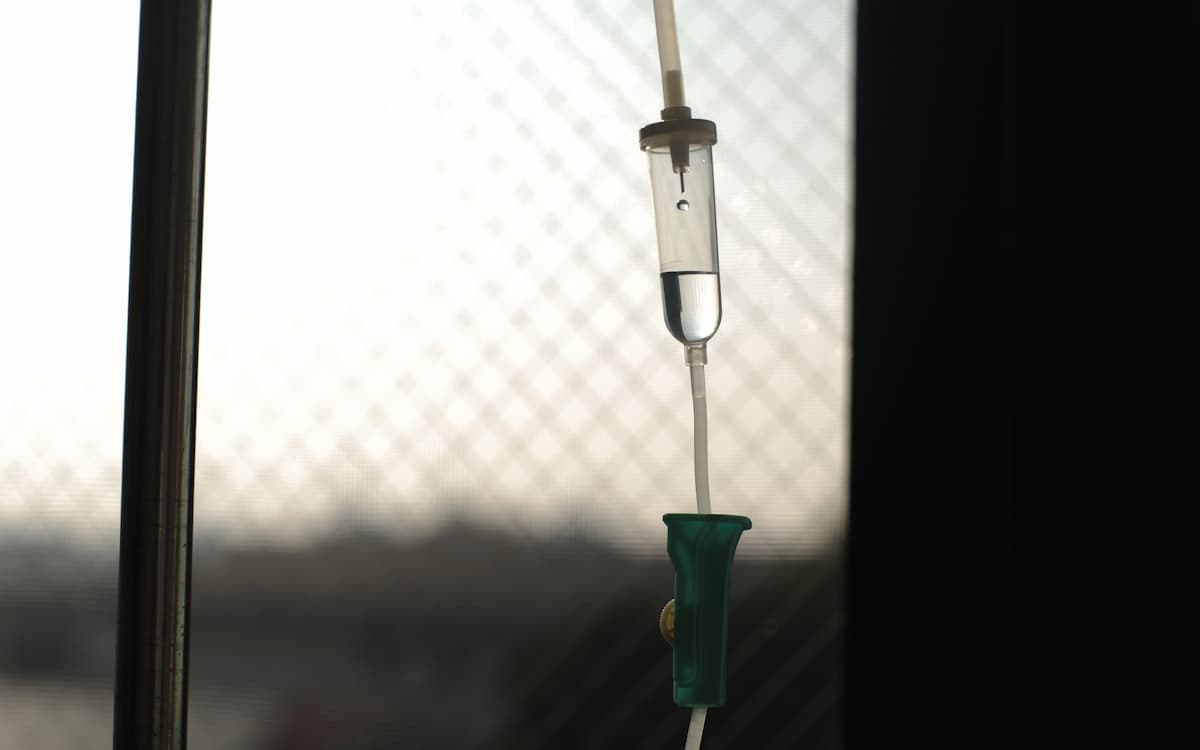
A private iron infusion means paying out of pocket at a community clinic instead of waiting for a hospital or specialist slot. Private access can shorten the wait and put the appointment on your schedule. It does not remove the bloodwork, the medical assessment or the treatment order that make IV iron safe.
Why Choose Solis for Private Iron Infusions?
Comfort & Calm
An infusion space designed to promote relaxation and reduce anxiety.
Expert Team
Onsite Anesthesiologist and Registered Nurses, ACLS and BLS certified.
Emergency Ready
Fully equipped to handle unexpected emergencies, with safety first.
Pediatric & Maternal Care
Children ages 5 and up, patients in their 2nd or 3rd trimester, and breastfeeding patients are accepted for iron and migraine infusions.
What paying privately changes, and what it never changes
This is the honest version, and it is the thing most private clinic pages skip. Going private moves the queue and the setting. It does not move the medicine.
- Changes: how long you wait for a chair
- Changes: booking on your own schedule rather than a hospital's
- Changes: the setting, the parking and how the appointment feels
- Never changes: bloodwork has to show you are actually deficient
- Never changes: a clinician assesses you and writes the order
- Never changes: monitoring during and after the infusion
- Never changes: the need to find and treat what caused the loss
Do you still need a referral?
This has shifted. IV iron used to mean a referral to a specialist or a hospital day unit. Across many parts of Canada it is now given in community infusion clinics without that step, which is the whole reason private access exists as an option.
Ask Solis whether a referral is needed or you can book in directly, because that policy can change. Either way, recent iron bloodwork and a clinical assessment come first. Worth checking separately: your benefit plan may still want a referral on file before it reimburses anything, even where the clinic does not.
When paying privately is worth it, and when it is not
If your family doctor can arrange publicly funded IV iron within a reasonable time, take that route. There is no medical advantage to paying, and the iron is the same iron.
Private access earns its cost when time is the problem rather than the treatment. That usually looks like a wait long enough that you will spend another season exhausted, a pregnancy with a delivery date closing in, a surgery booked where going in anemic carries its own risk, a job or caregiving schedule that cannot absorb a weekday hospital slot, or simply not having a family doctor to start the process at all.
It is not worth paying to skip the parts that make treatment safe. A clinic willing to infuse you without bloodwork is not selling you convenience, it is selling you risk.
Other infusions people book privately here
Iron is the most common reason people come in privately, but it is not the only one. Each of these has its own page with its own screening rules and honest limits.
Questions worth asking any private infusion clinic
Ask these before you pay a deposit anywhere, including here. A clinic that answers them without hedging is the one to book with.
- Who assesses me, and are they a physician?
- Which iron product, what dose, and how was the dose calculated?
- Who stays in the room, and what happens if I react?
- What exactly does the fee include, and what is billed separately?
- What if I need a second dose, and does that cost the same?
- How does the record reach my family doctor?
- When do I come back for bloodwork, and is that included?
Keeping your regular doctor in the loop
This is the real risk of private care, and it is worth naming. When treatment happens outside your usual clinic, the result can vanish from your main record. Your family doctor then has no idea your ferritin was 9, that you were infused, or that the cause was never chased down.
Ask how the visit summary and any follow-up bloodwork reach your regular clinician before you book. If you do not have a family doctor, ask what the plan is for the retest and for investigating the cause, because an infusion on its own is a patch rather than a fix.
Your visit, step by step
- 01
Gather what you have
Recent ferritin and blood count, your medicine and allergy list, and any order or letter from another clinician. Old results still help even if a repeat is needed.
- 02
Get the review
A clinician checks whether you are genuinely deficient, what caused it, whether oral iron was given a fair trial, and whether IV iron is the right call for you.
- 03
Confirm the money
Ask for the full amount, what it covers, what a second dose would cost, and which documents your insurer will want. Get it before booking, not at the desk afterward.
- 04
Plan the follow-up
Agree who reviews the retest, when it happens, and how the record reaches your regular doctor. Ongoing iron loss needs its own plan.
Who this is for, and who it isn't
A good fit if
- Bloodwork already showing iron deficiency
- A long wait through the public route while symptoms carry on
- A pregnancy or a surgery date that makes timing matter
- A work or caregiving schedule that a hospital slot does not fit
- No family doctor to start the process, and a willingness to pay for access
Probably not, if
- Anyone seeking iron without testing
- Someone expecting private payment to replace assessment or monitoring
- A person whose symptoms need urgent care rather than a booked appointment
- Anyone who can get the same treatment publicly within a reasonable time
The public route is a real option
Start with your family doctor. Many can order the bloodwork, treat with oral iron properly, and refer for publicly funded IV iron when it is warranted. If the wait is acceptable to you, that is the cheaper path to the same treatment.
Oral iron also deserves a fair trial before anyone pays for an infusion, and it fails more often from poor instructions than from poor absorption. Our guide to oral iron and IV iron compares the two routes.
Visit the West Edmonton clinic
Solis is on 118 Avenue in West Edmonton, with parking on site and no hospital wayfinding to work out. Patients book in from Edmonton and the surrounding areas, often because a weekday appointment closer to home is easier to keep than one across the city. Ask for the full visit length before you set out, especially in winter.
Frequently asked questions
Do I need a referral for a private iron infusion?
Often not. IV iron is increasingly given in community clinics without a specialist referral, which is what makes private booking possible. Ask Solis which it requires before you book. Bloodwork and a clinical assessment are still needed either way, and your insurer may want a referral on file even when the clinic does not.
How is a private infusion different from a hospital one?
Mostly the wait, the setting and who books it. The medicine, the screening and the monitoring should look the same. Hospital care is the better setting when someone has a complex condition, a history of severe reactions or needs support a community clinic cannot provide, and a good private clinic will tell you when that applies to you.
Will my insurance cover a private iron infusion?
Sometimes, and often only in parts. Plans may treat the iron product, the assessment and the administration fee as separate line items, and cover one without the others. Ask your insurer about each piece by name, then ask the clinic which receipts and documents it provides.
How soon can I be seen?
It depends on assessment, bloodwork and the schedule, not on how quickly you can pay. Recent labs may speed the review along but they do not guarantee treatment that week. If timing is the whole reason you are looking privately, ask about it directly when you call.
Is a private iron infusion safe?
The treatment carries the same small risks wherever it is given: uncommon infusion reactions at roughly 1 in 200, rare anaphylaxis, and IV-site problems. Safety comes from the screening, the dose calculation and the monitoring, so those are the things to ask about rather than the decor.
Can I get an infusion if my ferritin is only slightly low?
Slightly low usually means oral iron first. IV iron is for people who cannot tolerate pills, cannot absorb them, have had a real oral trial fail, or have a reason that timing matters. A clinic that offers an infusion for a mildly low ferritin without trying anything else is not doing you a favour.
Will my family doctor find out?
Only if you arrange it, so arrange it. Ask before booking how the visit summary and follow-up bloodwork reach your regular clinician. Iron deficiency is often the first clue to something else, and a result that never reaches your main record is a clue nobody gets to follow.
Is it actually worth paying?
It is worth it when time is the problem: a long wait with symptoms grinding on, a delivery or surgery date approaching, a schedule a weekday hospital slot will not fit, or no family doctor to start the process. It is not worth it if you can get the same treatment publicly soon enough, because the iron is identical.
Related care and patient guides
Ask what private access would actually involve
Open the referral forms to start. We can review your recent ferritin and blood count results, current availability, the assessment and the full fee. If the public route would get you treated sooner, we will say so.
Contact Us