
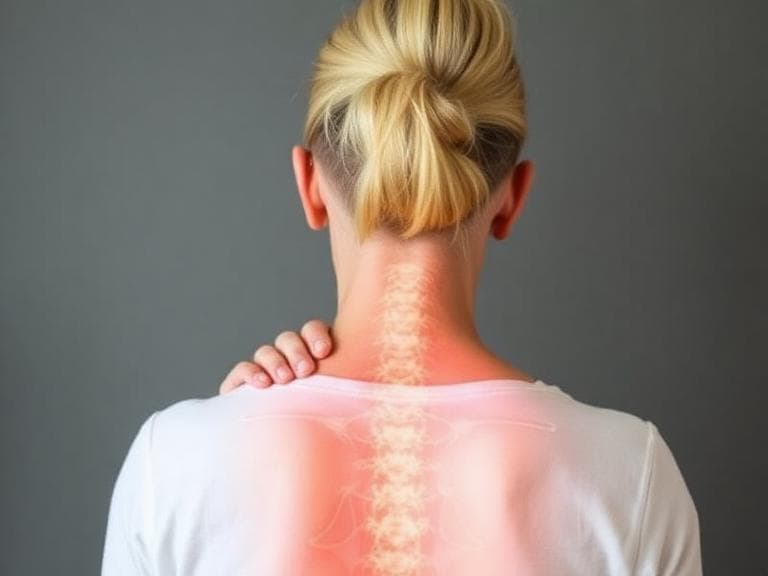
Osteopathic manual therapy uses hands-on assessment and treatment for movement, joint mobility and soft-tissue tension. It may be one part of care for selected back, neck or joint discomfort. It does not replace medical assessment when symptoms suggest injury, nerve problems or disease.
What is osteopathic manual therapy?
A practitioner looks at the painful area and how nearby regions move. Treatment may use gentle joint mobilization, stretching, positioning, soft-tissue work and guided movement. The method should match the practitioner's designation, training, your health history and your comfort.
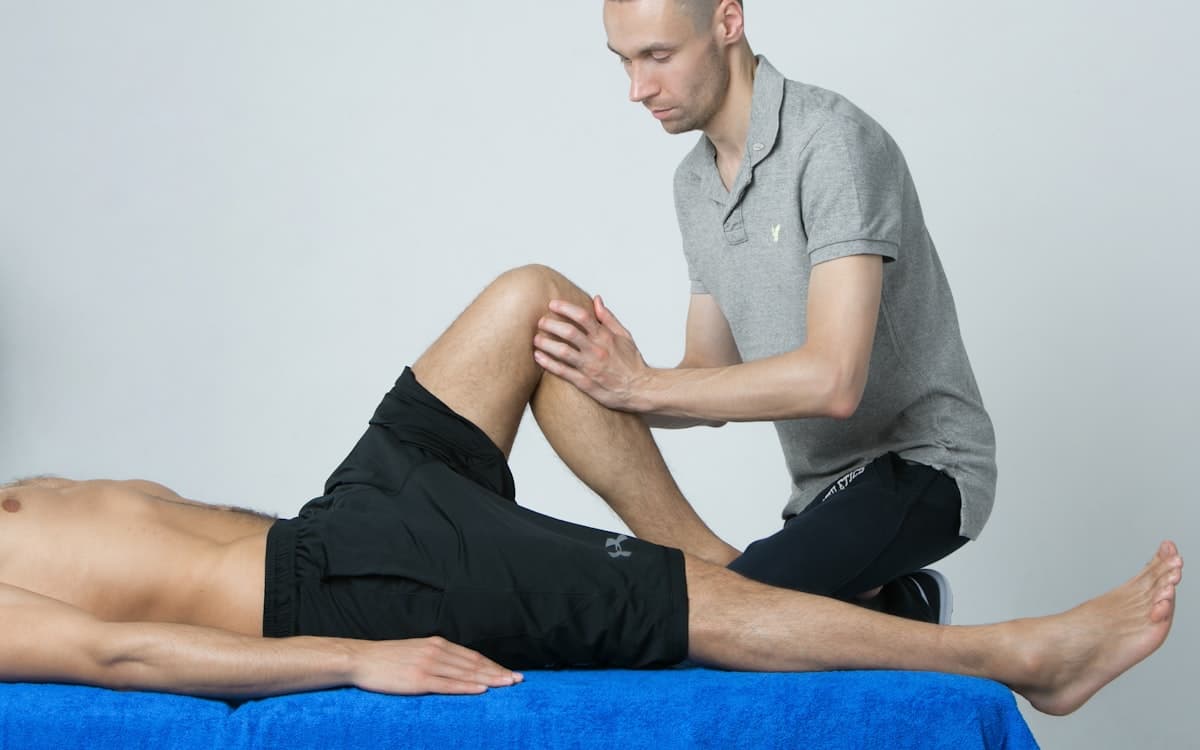
How it may fit lower back or joint pain
Manual care may be considered when stiffness, muscle guarding or movement limits are part of the problem and serious causes have been ruled out. It may be used beside exercise or medical care. It cannot be assumed to correct every structural finding or the cause of chronic pain.
Possible goals and limits
- Make selected movement feel easier
- Reduce local muscle guarding or tenderness
- Support a gradual return to activity
- Help identify movements that change symptoms
- Use short-term symptom change to support active care
- Reassess when function does not improve
What happens during the first session?
The practitioner reviews the current problem, diagnoses, medicine, surgery, pregnancy and recent changes. The exam may include posture, comfortable movement and hands-on checks. You agree on the treatment area and can ask to change or stop any technique.
After treatment, the practitioner should review the response and explain home movement, another visit, medical assessment or referral. A long package should not be assumed before knowing whether the approach helps.
Who may consider a manual-therapy assessment?
- A person with assessed back or neck discomfort and stiffness
- Selected muscle or joint movement limits
- Recovery where hands-on care supports an active plan
- Someone who understands the evidence and limitations
Who needs medical assessment first?
Seek medical care first for a new major injury, severe unexplained pain, fever, infection, chest or abdominal symptoms, new weakness, spreading numbness, loss of bladder or bowel control, or rapidly worsening symptoms. Manual therapy is not emergency care.
Safety and consent
Possible effects include temporary soreness, bruising or a flare. Risk depends on the technique and health history. Tell the practitioner about blood thinners, bone disease, recent surgery, pregnancy, cancer, infection and neurological symptoms. Strong or forceful treatment should never be a surprise.
Manual therapy as part of a wider plan
Exercise, activity changes, medical treatment, medicine review or psychological support may be more useful for parts of the problem. Manual care should have a clear role and review point. If it only creates brief relief without better function, reconsider the plan.
Quick answers
Is osteopathic manual therapy the same as massage?
No. Both are hands-on, but osteopathic manual therapy often places more emphasis on movement and joint assessment. Provider designation and actual techniques matter.
Is it effective for lower back pain?
Some people may have short-term benefit from manual therapy as part of care. It should not be sold as a guaranteed fix, and active treatment or medical review may also be needed.
How many sessions will I need?
There is no fixed number. Set a goal, review response after the first visits and change course if function is not improving.
Do I need a referral?
Ask the clinic about booking rules and your benefit plan about coverage. Medical assessment should come first when warning signs or an unclear diagnosis are present.