

Osteoarthritis can lead to persistent discomfort and decreased mobility, making it hard to maintain a quality of life. Viscosupplementation stands as a potential solution for managing the symptoms of this condition. However, like any medical treatment it is not without its potential side effects.
What is Durolane/Monovisc?
This is a widely used treatment for knee joints as well as other joints. It is an intra-articular injection containing hyaluronic acid. Both are high molecular weight viscosupplementation that provided lubrication and cushioning to the knee joint. They encourage the remaining cartilage to make more synovial fluid and decrease osteoarthritic markers in the joint. These formulas provide pain relief and improved joint function. Durolane/Monovisc ensures a longer-lasting effect and has a minimalistic approach. A single injection can potentially provide relief for up to 6 months.
How is It Administered?
It is done via a simple and straightforward injection directly into the affected joint. Once administered, Durolane/Monovisc begins to work, offering pain reduction.
What to Expect After You Receive Durolane/Monovisc
This medicine is designed to reduce pain, improve joint function, and provide long-lasting relief. Thanks to its minimally invasive treatment, patients can return to their normal activities sooner. However, you should be aware of the typical and less frequently encountered side effects.
What Is the Common Durolane/Monovisc Side Effect?
Most individuals experience mild and temporary reactions. Typically, they don't require medical attention.
Initial Discomfort
Initially, some patients may experience a temporary increase in discomfort at the injection site. This is a common response as the body adjusts to the treatment.
Potential Swelling
After an injection, you may notice joint effusion, which is swelling around the joint. This is a normal response to the treatment and is mild and temporary. Treatment involves rest, anti-inflammatory medications, and physical therapy.
Skin Reactions
Some patients may have mild skin reactions, such as itching or mild redness at the injection site. These effects resolve on their own without the need for medical attention.
Less Common Side Effects
The common effects mentioned above are self-solving. However, less common or more severe reactions may occur and continue up to medical help.
Allergic Reactions
In rare cases, viscosupplementation can trigger an allergic reaction. Symptoms of an allergic reaction may include hives, itching, and skin rash.
Infection or Bleeding into the Joint
Rarely, infection or bleeding into the joint can happen. If your joint becomes warm, red or swollen, or you have a fever, contact us right away.
Other Side Effects
Other reactions, such as muscle pain, warmth, puffiness, or stiffness around the joint, may appear. Sometimes patients have headaches, dizziness, nausea, and back pain. If any of these effects occur and persist, it's important to consult with your healthcare provider.
How Long Do Side Effects Last?
The duration of side effects varies from person to person. The most common adverse reactions are temporary and can be resolved within a few days to a week. If any reaction worsens over time, consult your healthcare provider promptly.
Follow Post-Injection Care Instructions
The first step to maximizing recovery is to strictly adhere to the post-injection care instructions provided by your healthcare provider.
Stay Informed
Before injection, make sure you have a clear understanding of what to expect and any potential side effects. Discuss your concerns and expectations with your healthcare provider.
Rest and Take It Easy
After the injection, give your joint some time to recover. Avoid strenuous activities or heavy lifting for at least 48 hours after the injection. Resting the joint allows the hyaluronic acid to settle properly and begin its work without being disturbed by excessive movement.
Limit Weight-Bearing Activities
Minimize weight impact on the treated joint, especially within the first 24-48 hours post-injection. This can help reduce the pressure on the joint. While rest is crucial immediately after the injection, reintroducing physical activity gradually is equally important for recovery. Engaging in gentle exercises that improve joint mobility without placing excessive stress on the joint can help maintain joint function and enhance the effects of viscosupplementation.
Start with low-impact activities: Begin with activities such as walking, swimming, or cycling. These exercises promote joint mobility and strengthen the surrounding muscles without putting undue stress on the joint.
Stretch Regularly
Gentle stretching can help maintain flexibility in the treated joint. Focus on stretches that target the muscles surrounding the joint and avoid any movements that cause pain.
Increase Intensity Gradually
As you progress in your recovery, you can slowly increase the intensity and duration of your exercises. Always listen to your body and stop any activity that causes discomfort or pain.
Applying Ice Packs
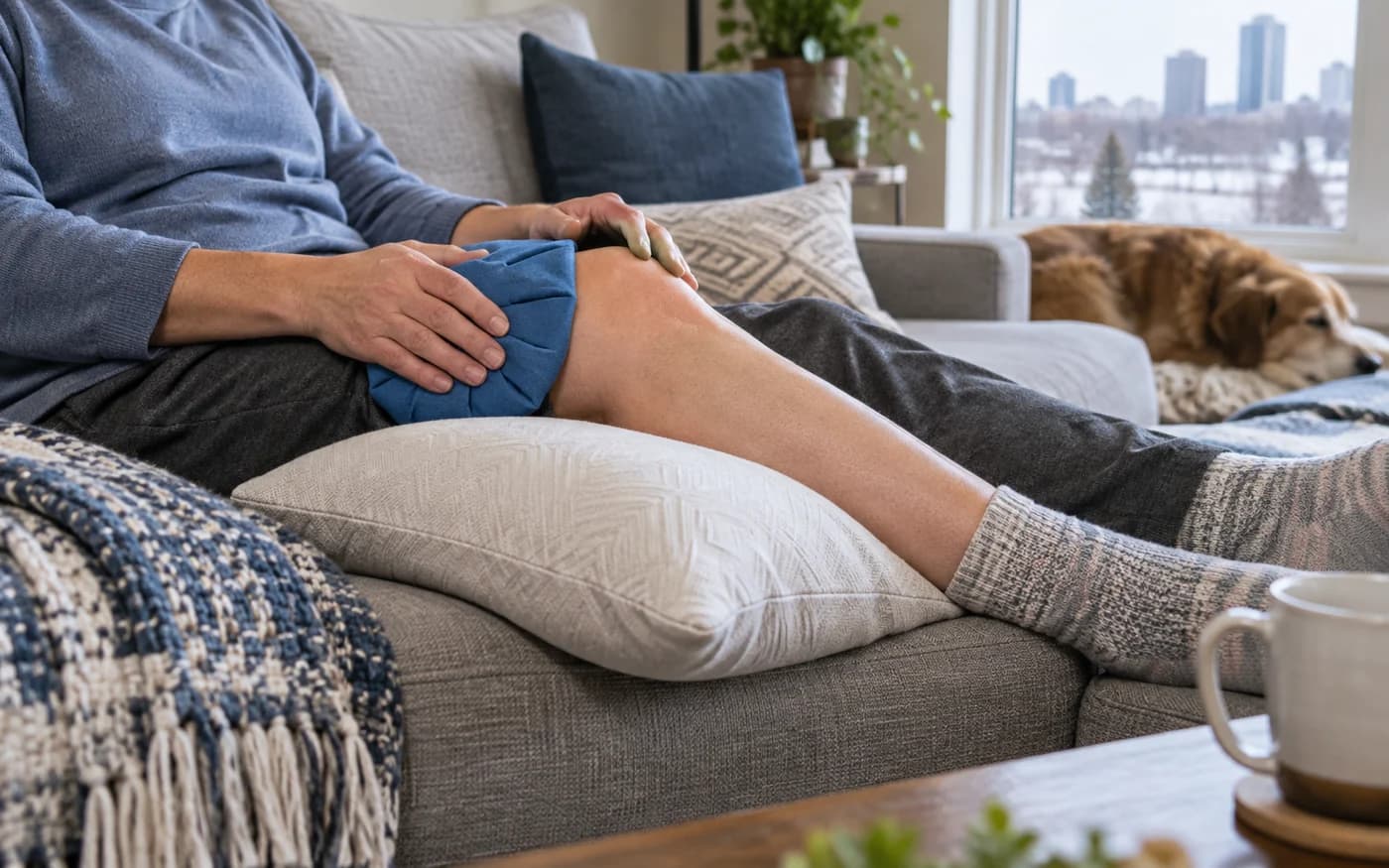
If you experience swelling at the injection site (or similar signs of tissue irritation), applying ice packs for 15-20 minutes every few hours can help reduce inflammation and alleviate pain.
Avoid Extreme Temperatures
For the first 24 hours after the injection, it is advisable to avoid applying heat to the treated area, as it can increase such post-treatment complications as swelling. Refrain from hot baths, saunas. Extreme temperatures can potentially exacerbate any swelling or discomfort.
Do Not Massage the Injection Site
Resist the urge to massage or manipulate the area around the injection site, as this may lead to unintended effects.
Follow the Healthcare Provider's Advice
Adhere to any specific post-injection guidelines provided by your practitioner. They may have tailored recommendations based on your individual circumstances.
Quick answers
What can go wrong with knee gel injections?
Most individuals experience mild and temporary reactions, such as a temporary increase in discomfort at the injection site, swelling around the joint, or mild itching or redness. In rare cases, viscosupplementation can trigger an allergic reaction. Rarely, infection or bleeding into the joint can happen. If your joint becomes warm, red or swollen, or you have a fever, contact us right away.
How long does it take to recover from viscosupplementation injections?
Avoid strenuous activities or heavy lifting for at least 48 hours after the injection. The most common adverse reactions are temporary and can be resolved within a few days to a week. Pain relief can occur as early as 2 weeks after the injection.
How many times can you get gel knee injections?
A single injection can potentially provide relief for up to 6 months. If this treatment does not ease your symptoms, you may be able to repeat the injection or series of injections in 6 months or so. But the procedure does not help everyone. If it does not work for you, talk with your specialist.
What should you not do after a gel shot in your knee?
Avoid strenuous activities or heavy lifting for at least 48 hours after the injection, and minimize weight impact on the treated joint within the first 24-48 hours. For the first 24 hours, avoid applying heat to the treated area and refrain from hot baths and saunas. Resist the urge to massage or manipulate the area around the injection site.
Which is better, cortisone shot or gel shot?
Neither is better for everyone. Viscosupplementation lubricates the joint with hyaluronic acid. A cortisone injection uses a steroid to calm inflammation. They treat the problem in different ways, and the choice is made at your assessment.